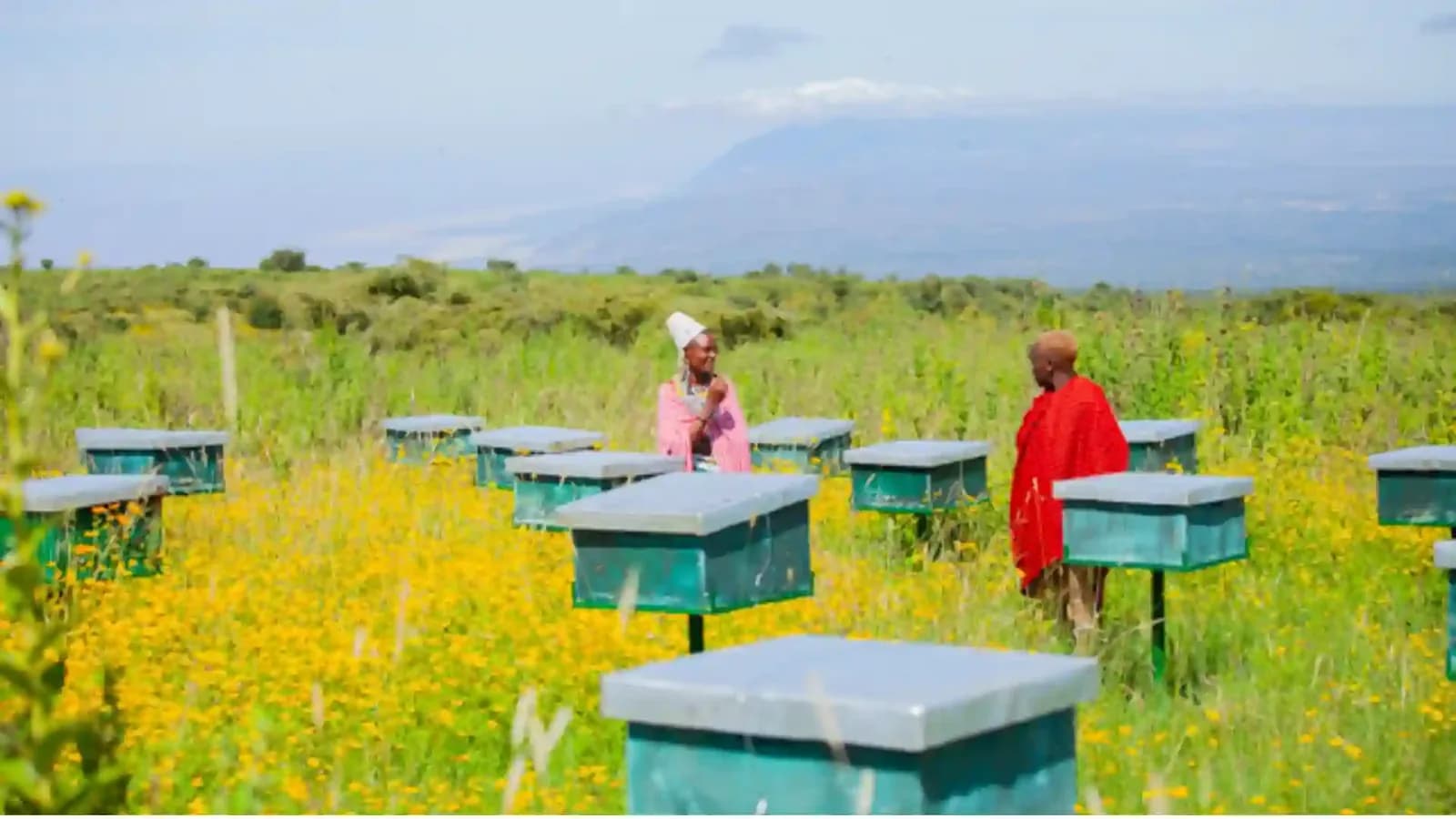
Karatu — hives placed with households through the Asali Project.
Our work
Ten programmes, chosen by the communities that run them.
Education, water, clean energy, women’s livelihoods, health and conservation. Each programme is funded on its own, states what one unit of it costs, and shows how far it is from its goal this year.
Filter
Water points, solar power and infrastructure chosen by the communities themselves, then built and maintained with them.
Showing 2 of 10 programmes in Community development.
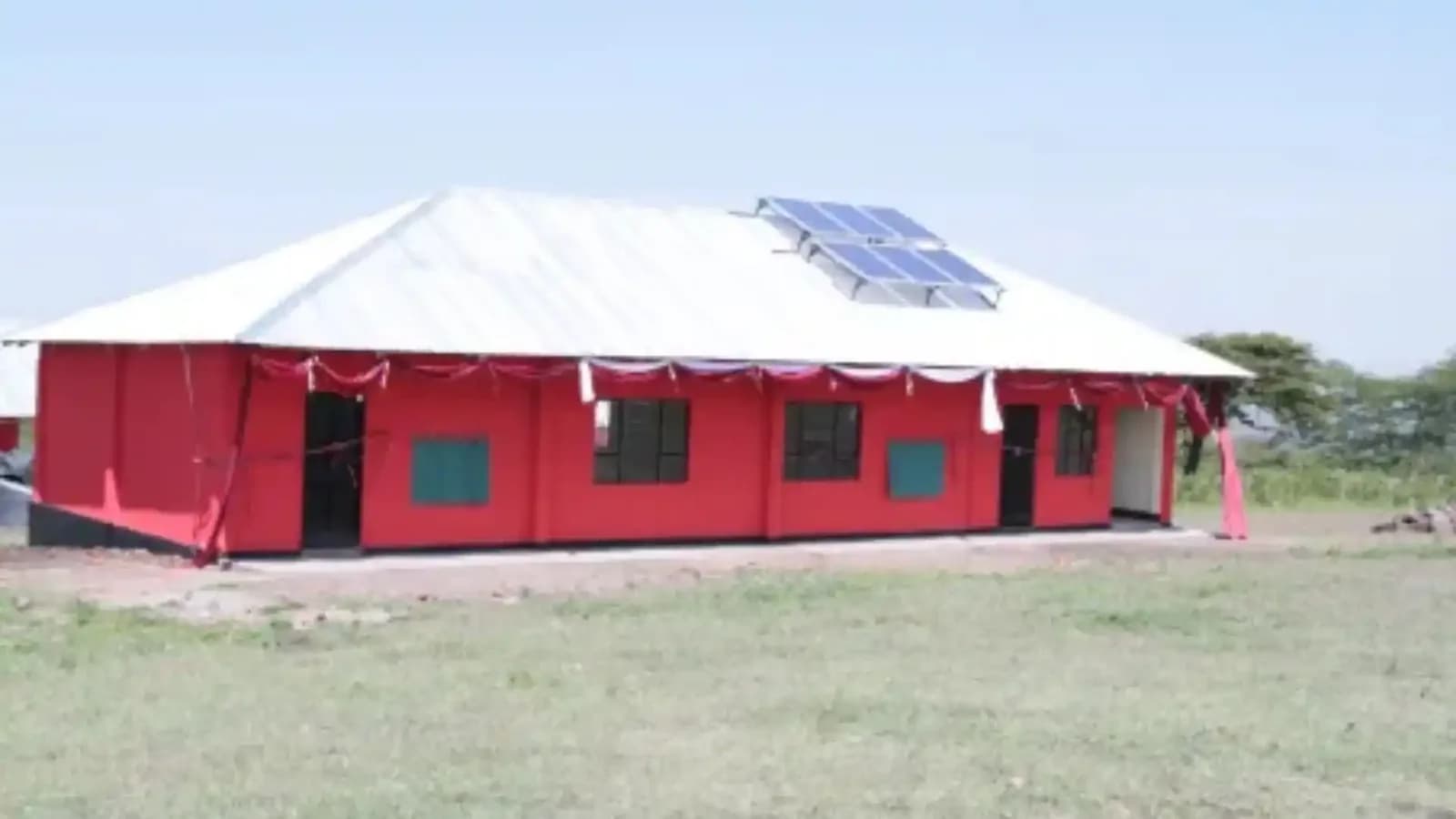
Schools without power cannot run evening study, cannot charge a laptop, and close when the light goes. In exam season that is the difference between a pass and a fail.