
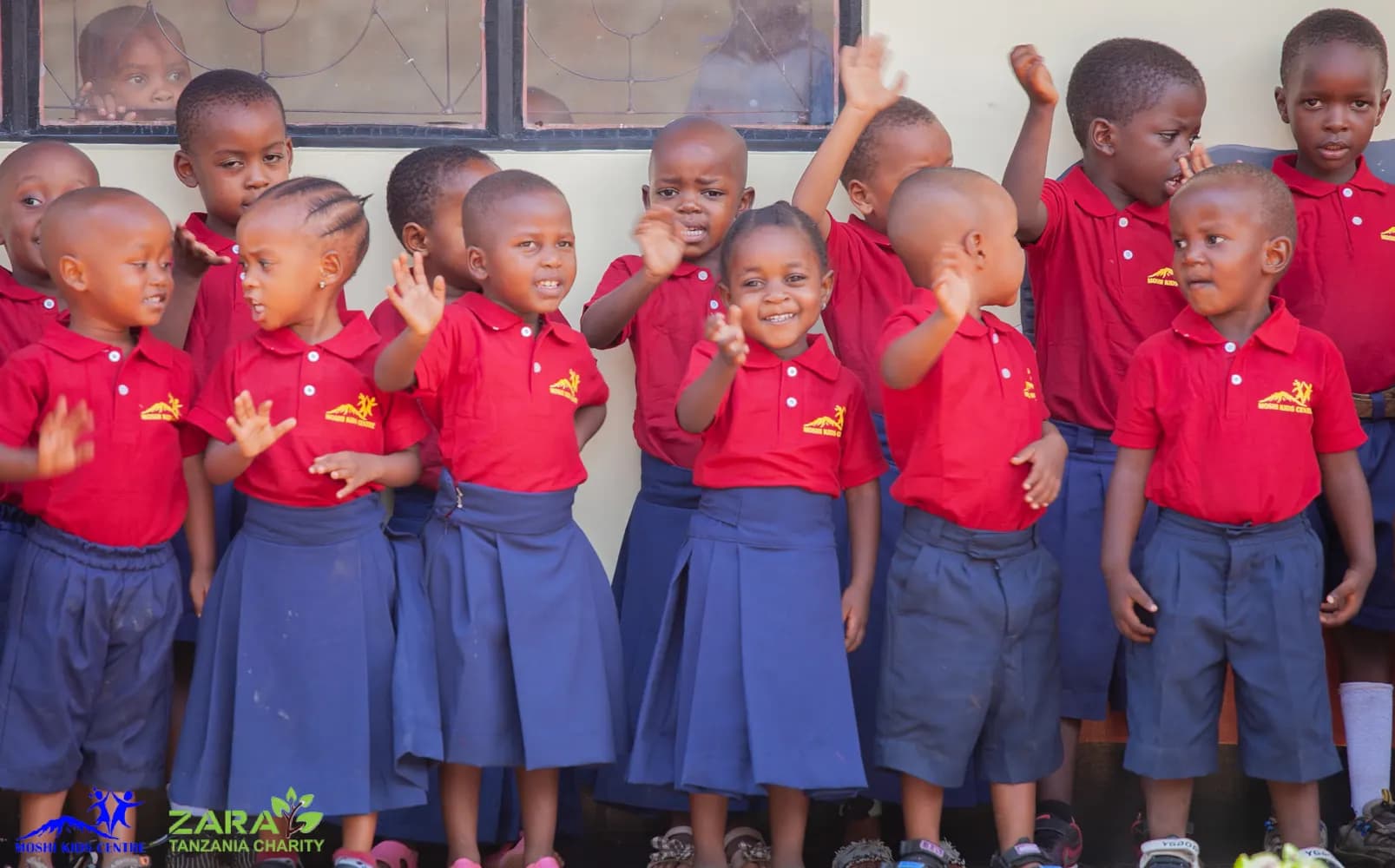
Moshi, Kilimanjaro
Moshi Kids Centre
Children who lose a parent, or whose family cannot cover fees and uniform, drop out early and rarely return. Once out, they are counted by nobody.
84 of 120 children
$35 one month at the centre
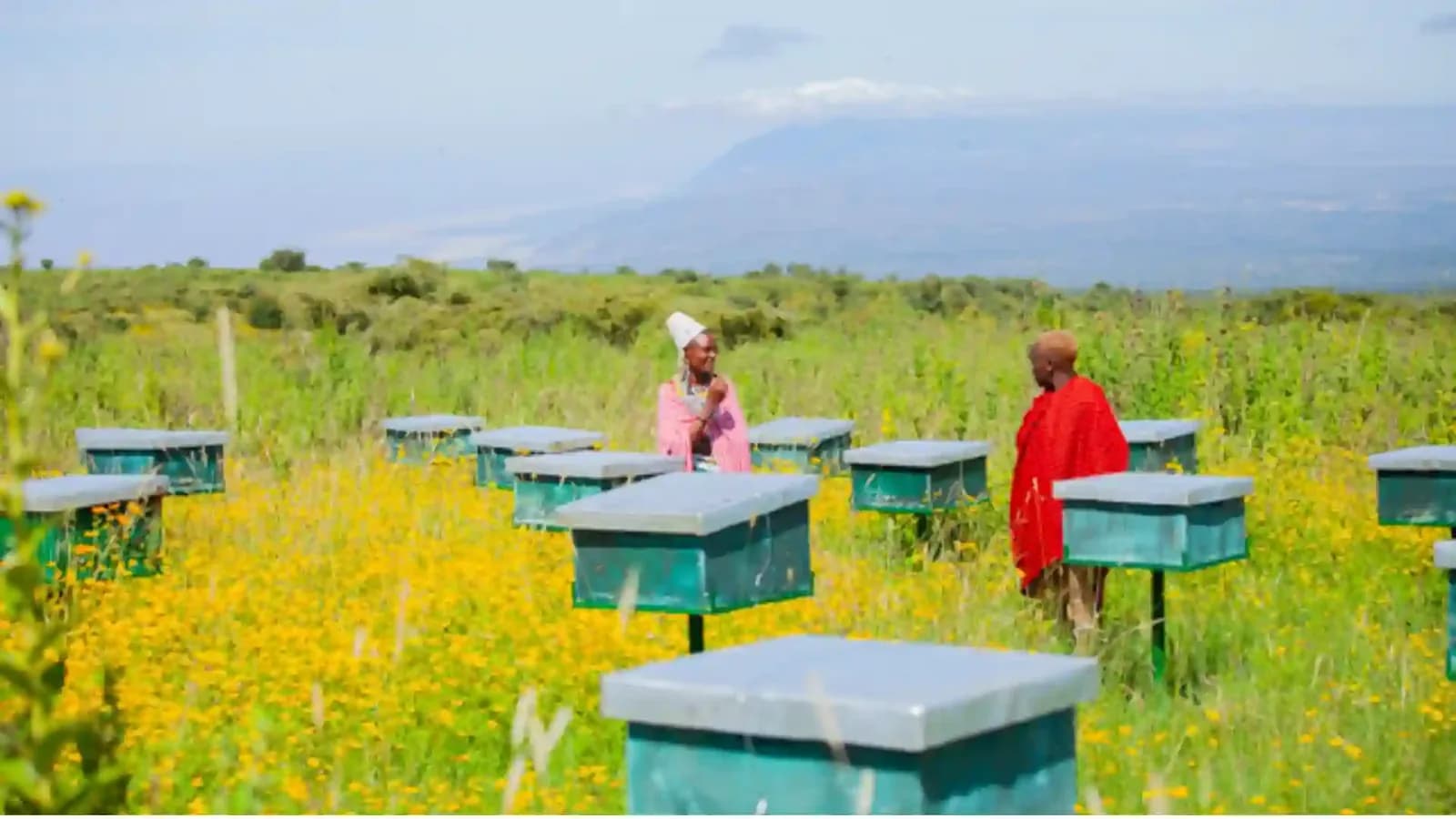
Karatu — hives placed with households through the Asali Project.
Our work
Showing 10 of 10 programmes.
Moshi, Kilimanjaro
Children who lose a parent, or whose family cannot cover fees and uniform, drop out early and rarely return. Once out, they are counted by nobody.
84 of 120 children
$35 one month at the centre
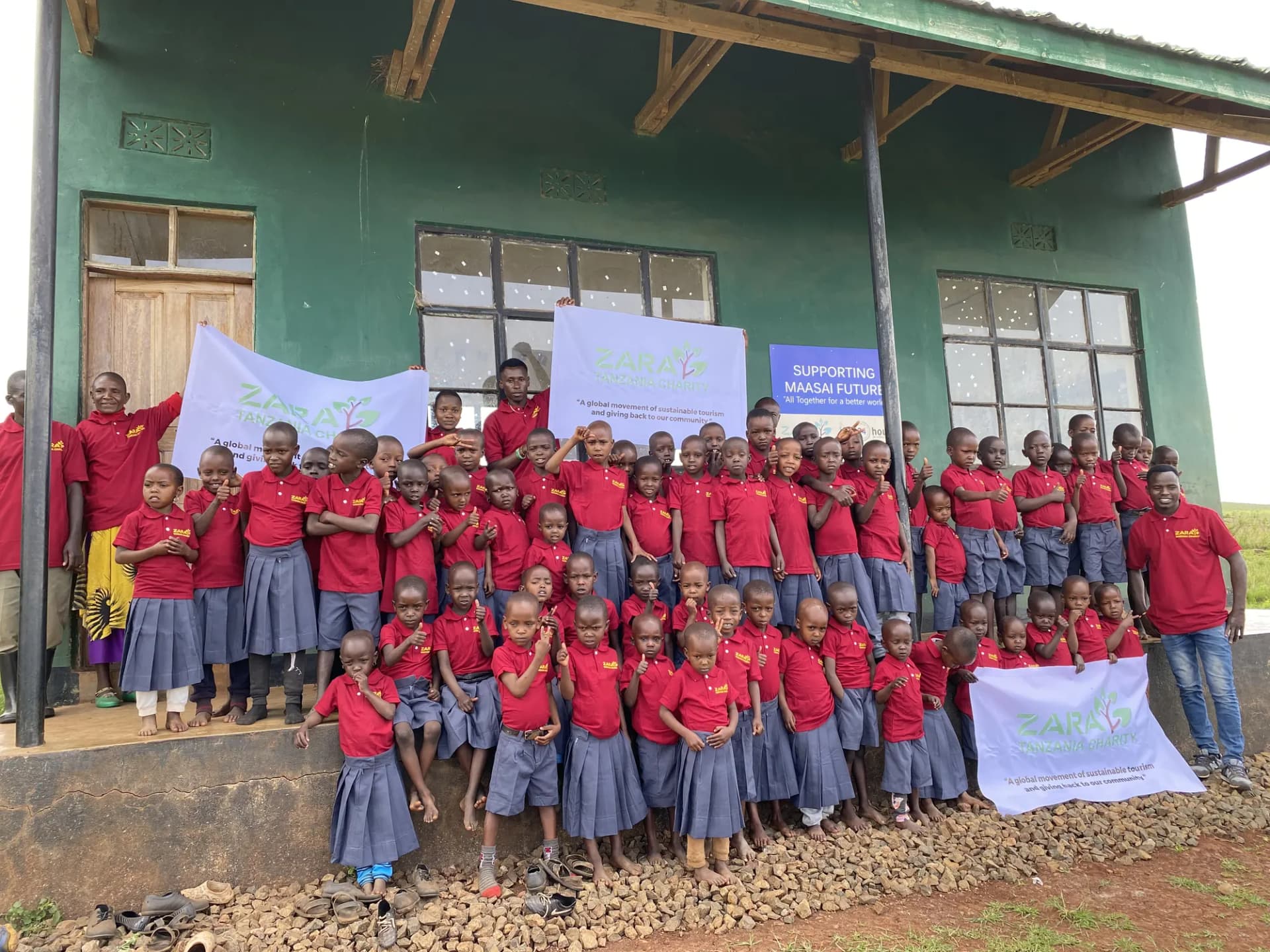
Ngorongoro
Children arriving at primary school without any early-years education fall behind in the first term and often never catch up. In pastoralist communities the nearest pre-school can be a two-hour walk.
7 of 12 classrooms
$120 one month of a classroom
Ngorongoro Conservation Area
Women and girls walk for hours each day to collect water that is often unsafe. Time spent walking is time not spent in school or earning.
13 of 20 points
$250 one month of a water point's operation and upkeep
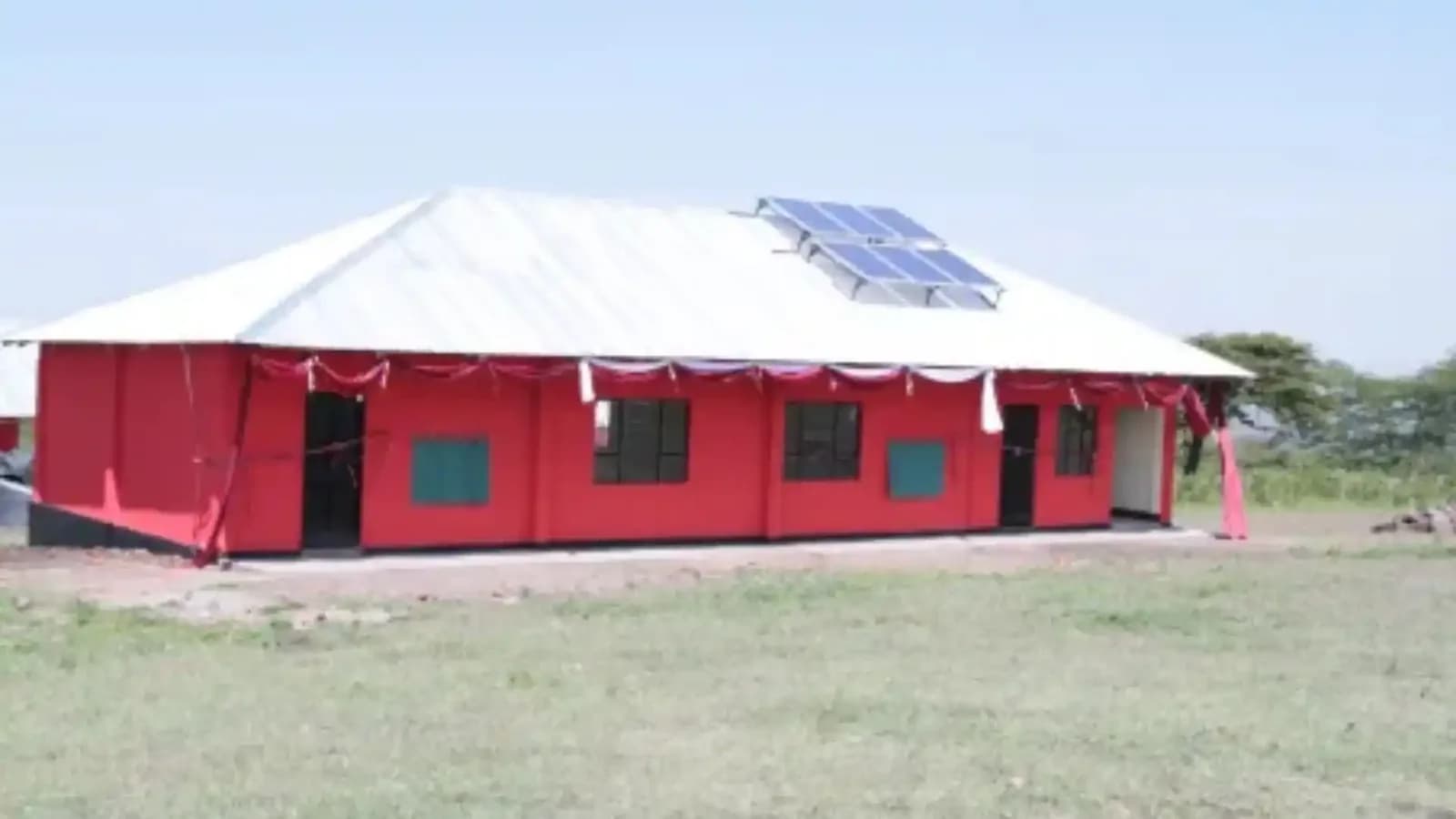
Kilimanjaro and Ngorongoro
Schools without power cannot run evening study, cannot charge a laptop, and close when the light goes. In exam season that is the difference between a pass and a fail.
9 of 15 schools
$75 one panel and its share of the battery bank
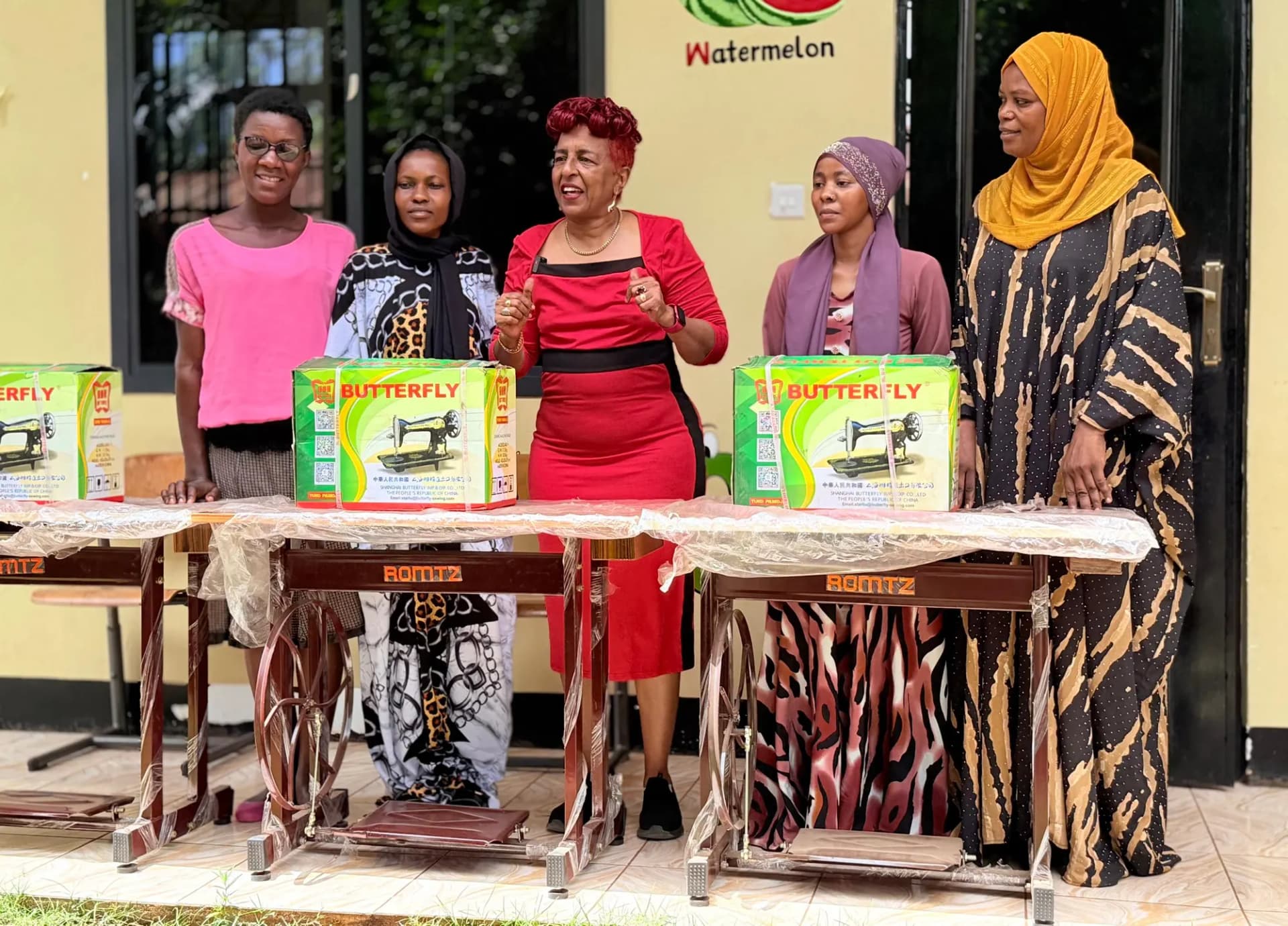
Ngorongoro and Karatu
Women in pastoralist communities rarely control household income. Without their own earnings they have little say in whether a daughter stays in school.
186 of 300 women
$90 one woman's training and start-up stock
Karatu
Families living beside forest need income from it. Charcoal burning pays quickly and destroys the thing it depends on.
268 of 400 hives
$50 one hive, suit and training
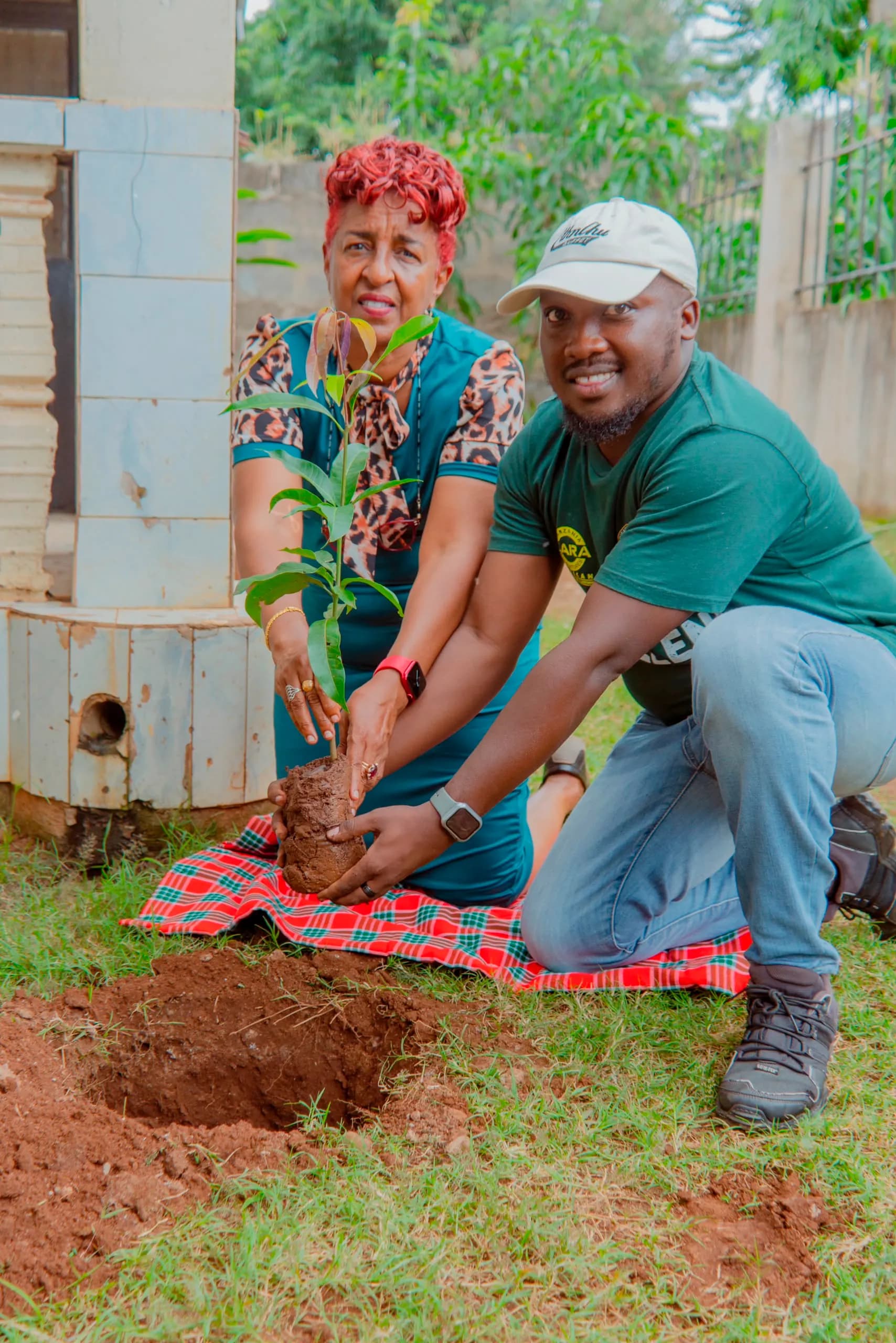
Kilimanjaro region
Planting is easy and survival is hard. Most campaigns count seedlings in the ground and never return to count what lived.
31,400 of 50,000 trees
$2 one indigenous seedling, planted and logged
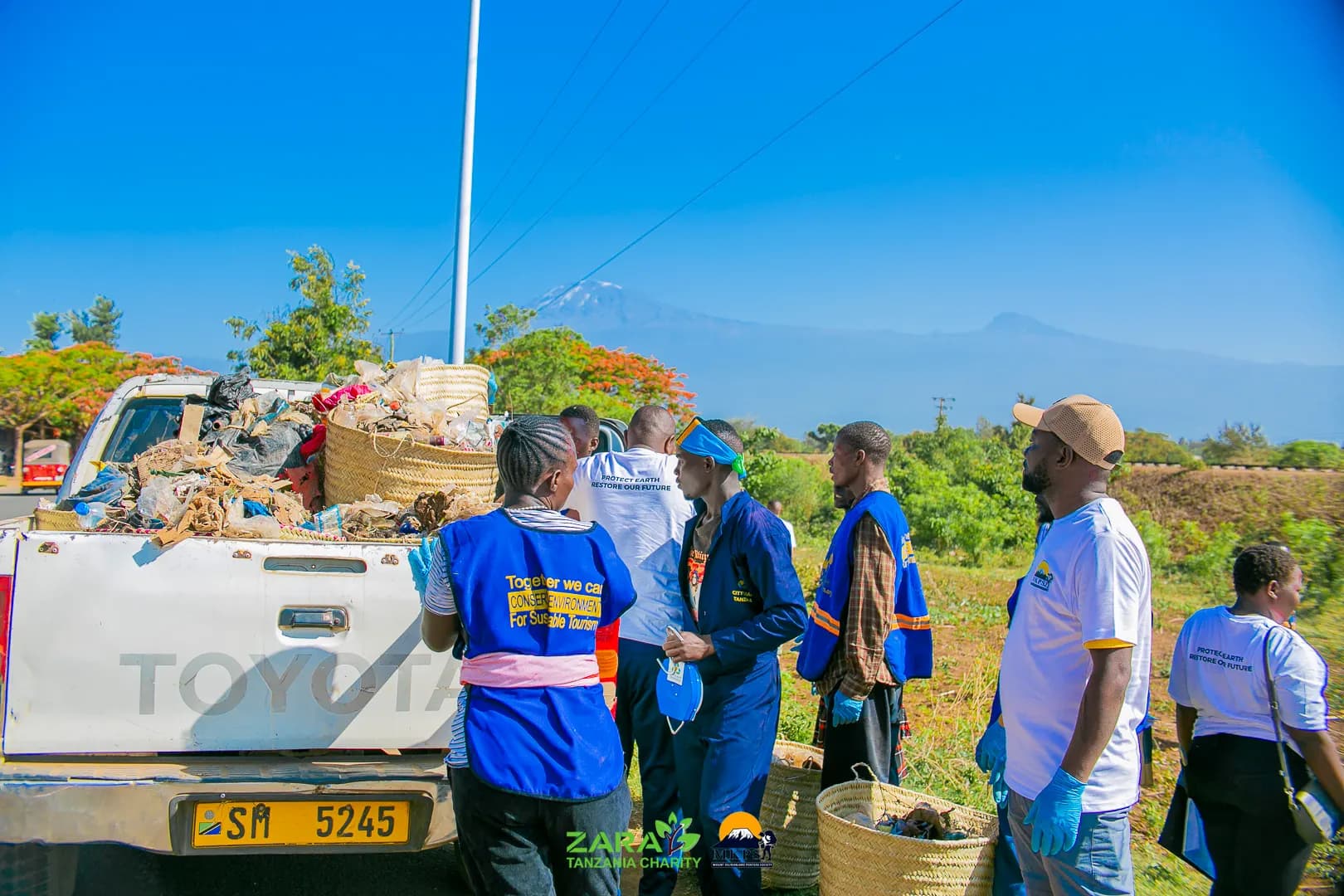
Kilimanjaro National Park
Tens of thousands of climbers a year leave behind waste that porters are not paid to carry down.
7,250 of 12,000 kg
$40 one porter-day on a cleanup team
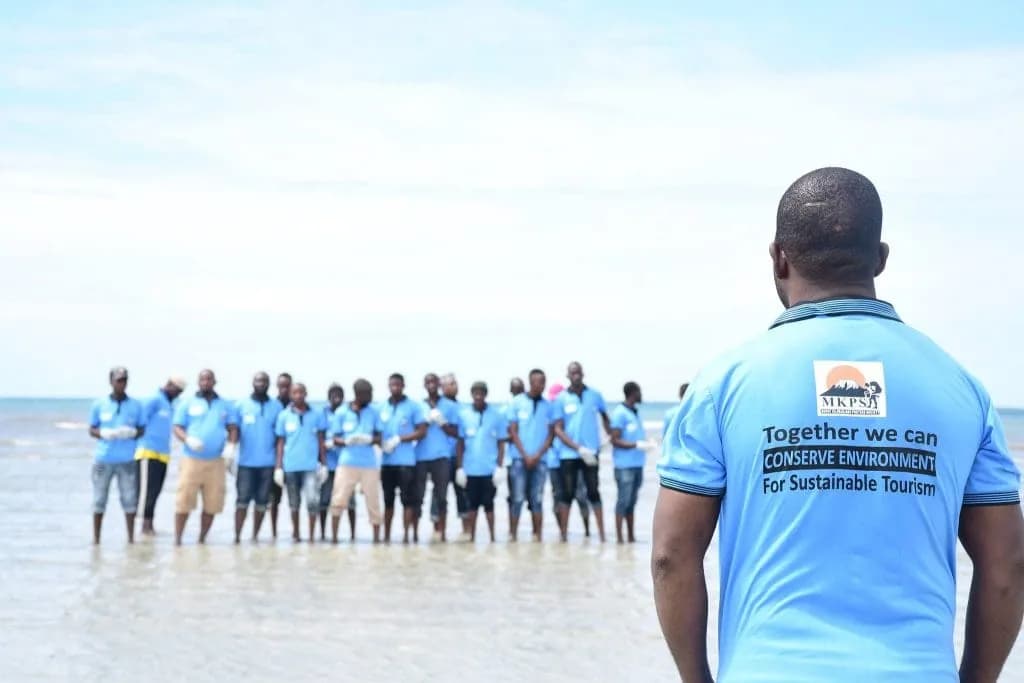
Tanzanian coast
Plastic on the shoreline damages the fishery that coastal families live on, and there is no municipal collection to remove it.
9,600 of 20,000 kg
$30 one community collection day
Kilimanjaro and Arusha
Families two hours from a clinic do not attend one until something is already serious.
29 of 48 days
$60 one outreach day in one village